

Minimalism in interior design has long been associated with simplicity, functionality, and clean lines but also with spaces that can sometimes feel stark or cold. For many Indian homeowners, this perception is a barrier to embracing minimalism. The good news is that minimalist homes can be warm, welcoming, personal, and deeply reflective of how you live, especially when informed by thoughtful material choices, warm palettes, functional storage, and meaningful details.
Let’s explore how minimalist Indian homes can feel cozy and lived-in rather than empty or austere, and why minimalism isn’t about removing personality, but about amplifying intention.
Minimalism isn’t about living with nothing; it’s about living with what matters most. It is the practice of intentionally curating your space so that every item serves a purpose, contributes to comfort, and enhances the room’s character.
Broadly, minimalist interiors emphasize:
When minimalism is applied without warmth or context, spaces can feel sterile. The balance lies in how materials, colours, and textures are layered. (NoBroker)
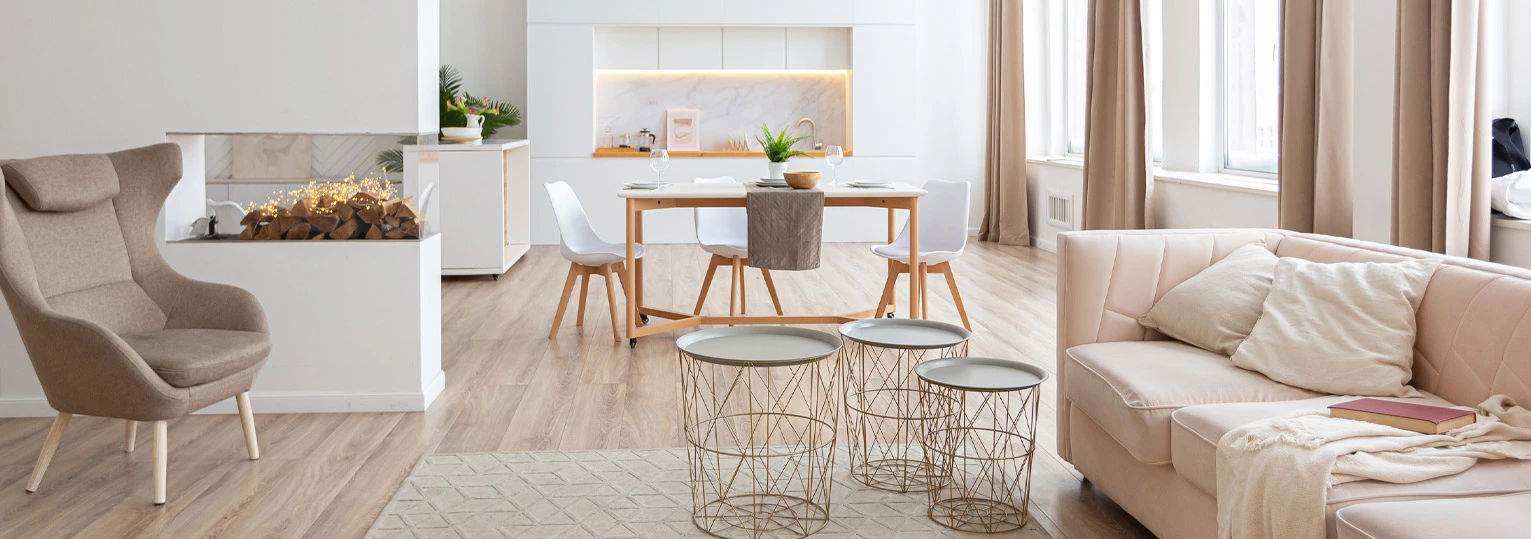
Minimalist homes don’t need to be white-on-white. Warm minimalism embraces soft neutrals and earthy hues to add comfort and depth.
For Indian homes, tones like beige, cream, sage green, terracotta, and sand grey form inviting backdrops that feel calm and natural. (Ashwood Living)
Layering hues within the same tonal family—such as cream walls with tan upholstery and muted brown accents—creates richness without visual clutter.
Minimalism thrives on clarity, not sterility. Texture and natural materials are key to warmth.
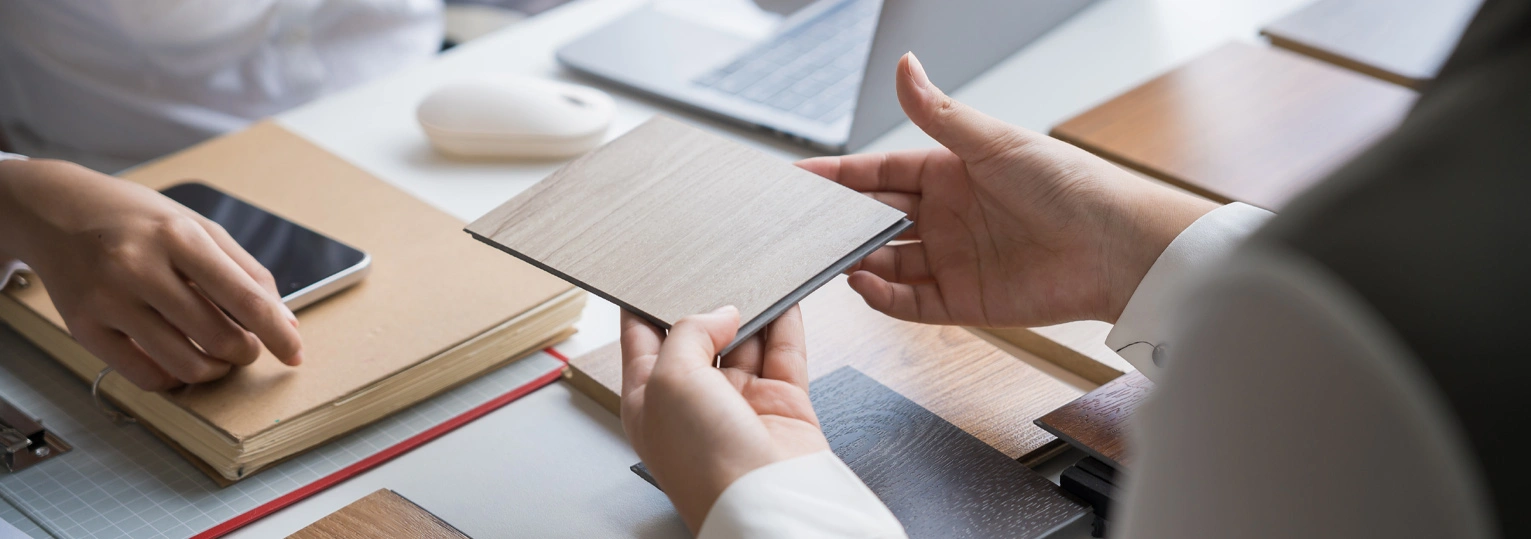
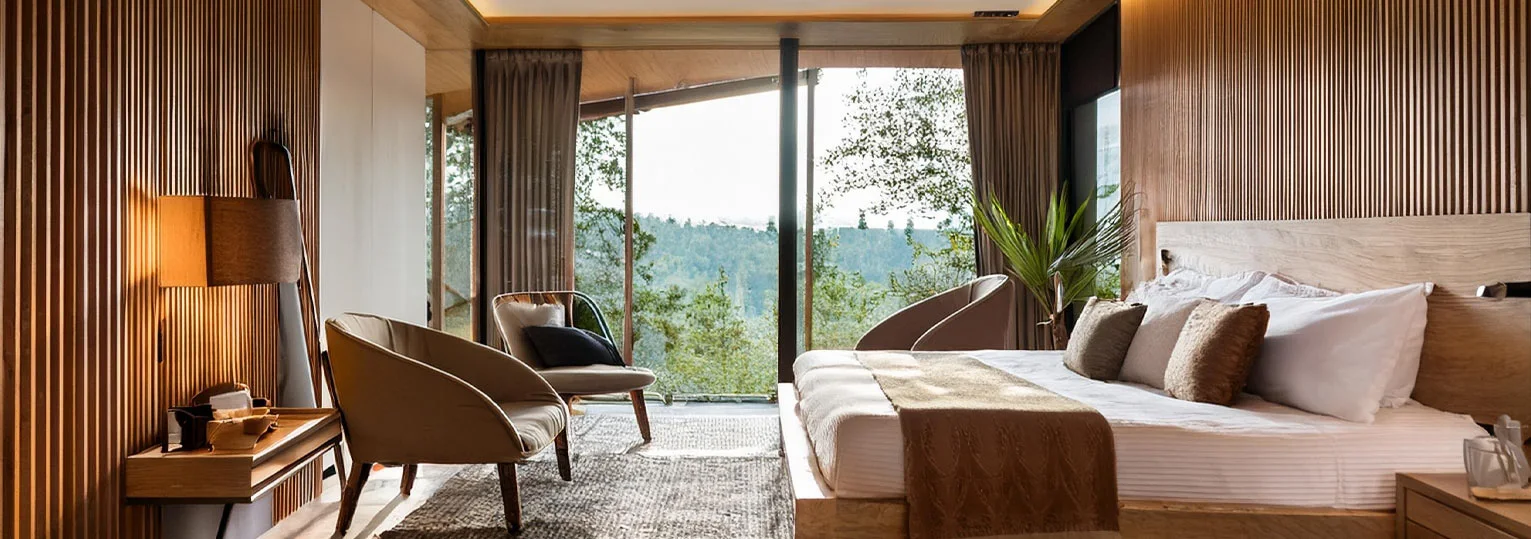
Warm wood finishes like teak, walnut, and oak soften cabinetry and furniture. Linen curtains, cotton throws, jute rugs, and small handcrafted details like terracotta pottery or rattan baskets add tactile depth without excess.
Lighting defines how minimalist spaces feel. Harsh white lighting creates sterility, while warm, layered lighting adds comfort.
How lighting softens minimalism:
Used across living and dining areas to create softness.
Wall sconces, floor lamps, or LED strips under shelves add depth.
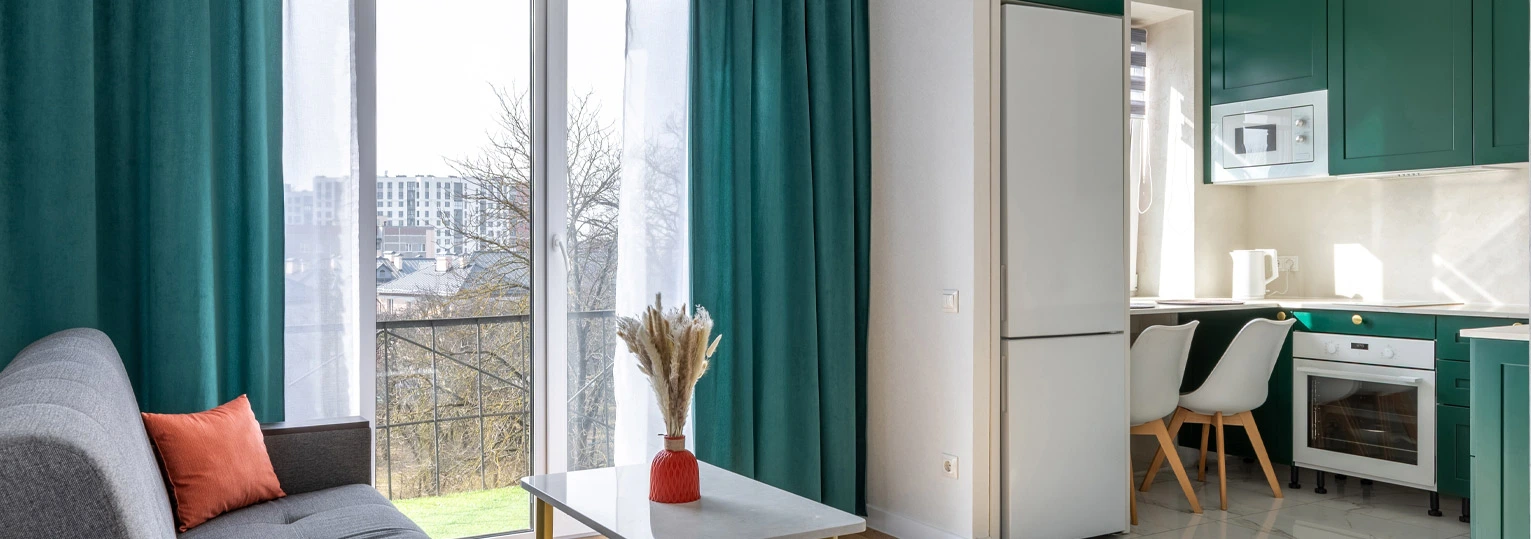
Maximising daylight makes even simple spaces feel alive. (Interio Group)
Minimalism is about fewer, not zero décor elements.
These elements feel expressive because they are intentional, not excessive.
Minimalism should celebrate positive space, not emptiness. Thoughtful furniture placement creates warmth even within open layouts.
Open plans improve flow in Indian apartments. Seating clusters, rugs, and soft furnishings help form conversational zones while maintaining openness.
Minimalist Indian homes often integrate subtle cultural references—handcrafted textiles, local artifacts, or indoor plants that reflect heritage.
A terracotta vessel, khadi throw, or small brass lamp adds warmth without clutter, grounding minimalist spaces in familiarity. (Architectural Digest India)
Minimalism doesn’t erase personality. It highlights what matters most.
Real takeaways:
With mindful design, minimalism becomes a way of living that is calm, warm, intentional, and deeply personal.
Minimalist homes don’t need to feel cold or empty. With warm palettes, natural materials, meaningful décor, and thoughtful space planning, minimalism transforms into a philosophy that honours comfort and clarity together.